4 Takeaways from Making a Living
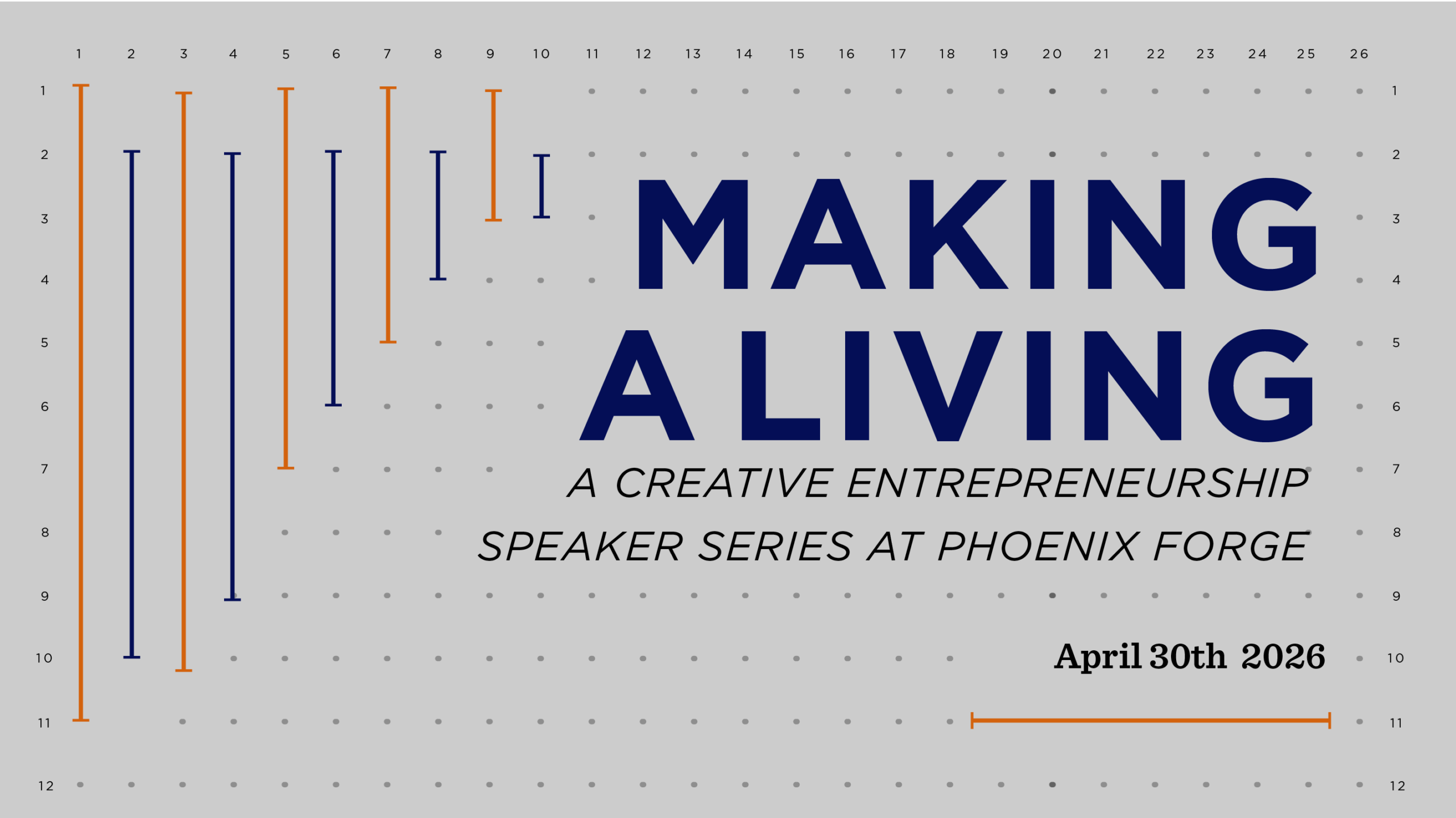
What does it take to turn a creative idea into a thriving business? That was the focus of April’s Making a living speaker series at Phoenix Forge. From testing your latest product idea, to pulling back the curtain on the patent system, to the opportunities of the wholesale market, our three speakers hosted an engaging evening packed with practical insights on what it takes to be a creative entrepreneur. If you want the high level summary, scroll down to see our 5 takeaways, you can watch the full recording below.
1. A simple framework for evaluating your next business idea
Kate Benjamin walked us through the Integrated Innovation Framework. Before you go all in on an idea, ask yourself four simple questions: Can I actually make it? Will people genuinely use it? Will someone pay for it? Does it make the world a little better? If you can say yes to all four, you’re probably onto something worth pursuing.
2. Don't let chasing a patent distract you from making money
“Revenue is your north star” says patent attorney Joe Meaney. A patent is a defensive tool, and won’t pay your bills on its own. Think of it as a tool to protect the business you’re building, not the destination.
If you do think a patent is right for you, a provisional patent application can cost less than $100 and takes just a little paperwork. You’ll have a full year of protection while you test and refine your idea. Don’t be intimidated: even the independent maker can file a provisional patent and protect their idea.
3. Pick a scale that actually fits your life.
There’s no “right” way to run a product business. The story of Hauspanther, from handcrafting one-of-a-kind pieces to manufacturing overseas, is a great reminder that bigger isn’t always better. Returning to her studio gave Kate more creativity, less stress, and more joy. Build the business that works for you.
4. Wholesale takes patience, but a little prep goes a long way
If you’re thinking about getting your products into shops, it is important to get the basics down: know your profit margins, create a clear catalog of items with supporting materials, and do your research for stores—both locally and nationally—where your work would genuinely fit. Gabby Klein offered us many simple tools and resources that you can find on her website.
This event was made possible thanks in part to funding from ASU Blackstone LaunchPad